If you spend enough time on Australian building sites, you start to notice a pattern. The biggest incidents seldom originate from freak crashes. Regularly, they come from easy things done severely or not whatsoever: no glasses while reducing, earmuffs hanging around the neck, harness clipped to absolutely nothing, dirt mask on the chin.
That is specifically the space the Australian White Card and the system CPCWHS1001 Prepare to work safely in the building and construction sector attempt to close. Individual protective devices, or PPE, is not the only topic in a White Card course, however it is one of the most functional. When it is educated properly, new employees do not simply memorize that they require a construction hat, they discover just how to select the right defense, when it actually makes a distinction, and just how it matches the bigger safety and security system on site.
This write-up walks through just how top quality White Card training comes close to PPE, what you need to expect to find out, and how to bring those practices onto real jobs in Adelaide, Darwin, Hobart, Perth, Sydney, Brisbane and every site in between.
Where PPE Fits In The Bigger Safety And Security Picture
The CPCWHS1001 training course is not an https://dallassdny039.theburnward.com/warmth-anxiety-on-construction-websites-what-you-ll-find-out-in-the-white-card-course item catalogue for PPE. At its core, it shows risk administration for building and construction job. Instructors take you with recognizing threats, analyzing dangers, regulating them, and just then, finally, using PPE as one layer of protection.
On an actual website, the pecking order of control issues. You remove the threat first where feasible, after that replacement, isolate, or designer controls. You back those with management actions such as safe job approach statements, construction site signs, and clear building emergency situation procedures. PPE normally rests at the end of this hierarchy.
Good White Card fitness instructors describe this with actual examples:
- grinding without a guard but wearing shatterproof glass is still a bad control relying on a dirt mask instead of making use of damp cutting or on-tool extraction for silica dirt building work is not appropriate putting on a harness does not make operating at elevations safe unless there is a proper support, shock-absorbing lanyard, and a rescue plan
That framework matters. PPE is essential, yet the message of CPCWHS1001 is that it is never ever the only defence.
What The White Card Actually Covers About PPE
Although each signed up training organisation has its own distribution design, White Card course material is assisted by the national system CPCWHS1001 Prepare to work securely in the construction market. PPE strings via a number of parts of the device, as opposed to sitting in a single chapter.
Trainers commonly focus on 4 key results: acknowledging threats that need PPE, recognizing the right devices, making use of and fitting the gear properly, and keeping, keeping, and reporting concerns with PPE.
You will typically see this at work via conversation, images and videos, demonstrations of actual PPE, and brief useful tasks. In a great in person session in Adelaide, Darwin, Hobart or Perth, you will handle equipment that has actually been used on site, not simply take a look at supply photos.
Recognising when PPE is needed
New employees frequently undervalue how many jobs call for PPE. You might expect a construction hat and boots, however not think about respiratory protection for cutting fiber concrete, or hearing security while making use of a tiny concrete saw.
During the program, the trainer must connect PPE to certain building and construction risks, such as dust, sound, height, electrical power, plant and devices, unsafe compounds, and severe temperature levels. When the fitness instructor understands the trade environment, this part feels extremely sensible. A carpenter will certainly read about nail guns and circular saws. A future distribution chauffeur white card holder will become aware of PPE for confiding real-time streets and in loading docks.
By the time you complete the White Card evaluation, you need to be able to take a look at a job, determine the likely risks, and call the PPE that ought to remain in use.
Selecting the ideal equipment
One of the weak points of poorly run courses is dealing with PPE as a tick box: "Use a helmet, glasses, boots." That is not much use when you are on genuine tasks, whether under the Structure Building Award 2020 or a different business agreement. What you require is an understanding of the distinctions between gear.
For example, you learn that:
- not all shatterproof glass are equivalent; wraparound, anti‑fog and impact‑rated lenses matter on lots of websites disposable dirt masks are not the same as half‑face respirators with appropriate filters, specifically around silica dirt or asbestos building sites chemical immune handwear covers differ drastically from standard riggers gloves some hearing defense is created for periodic usage, while others are required in constant high‑noise settings such as close to jackhammers or particular plant equipment
You are not expected to come to be a work hygienist in a three or four‑hour program. But you ought to leave with adequate expertise to check out tags, ask inquiries, and identify when the PPE offered on a building site really feels inadequate.
Core Sorts of PPE Covered In White Card Training
While each state has its own regulatory authority and some details differ in between a white card in NSW, Queensland, Victoria, Western Australia and South Australia, the principles of PPE are consistent nationwide.
Here are the major groups of PPE that a quality Australian White Card course will commonly clarify and demonstrate.
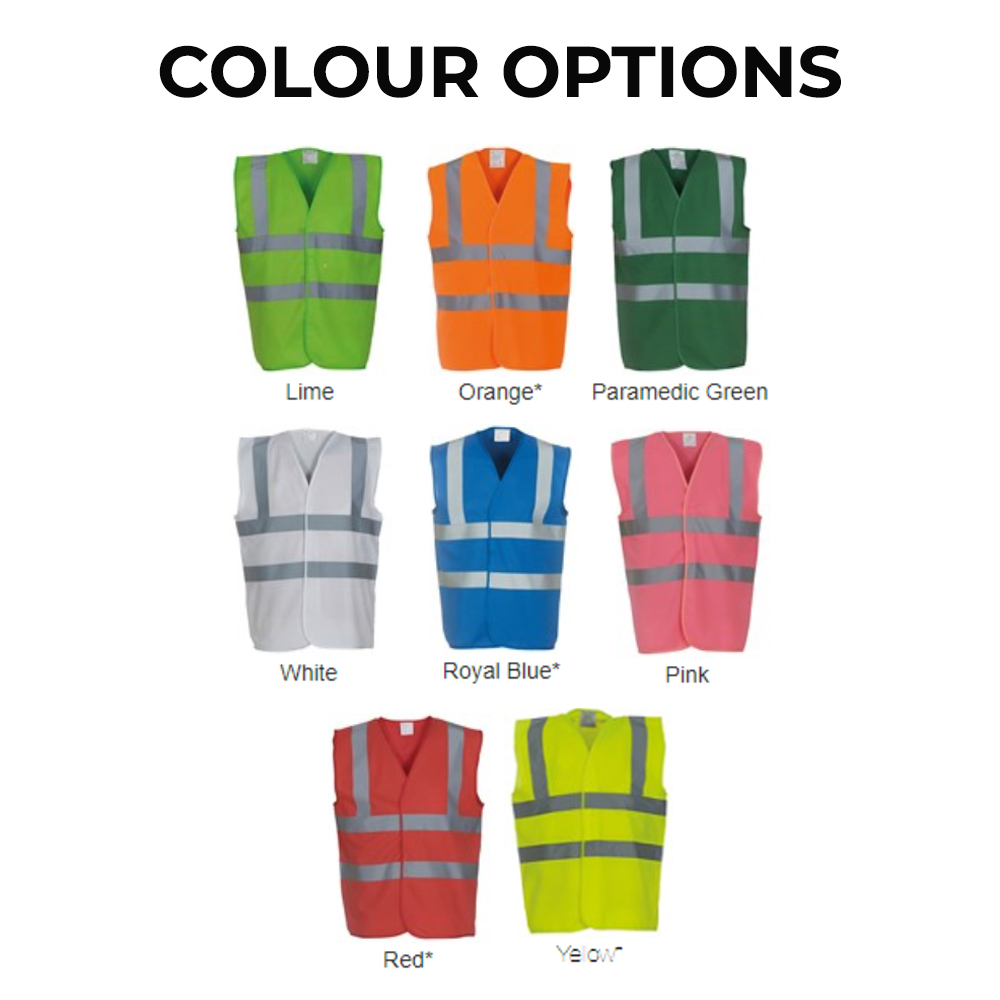
- Head protection: Construction hats rated to Australian criteria, with info regarding expiry days, damages from UV direct exposure, and just how to change shock absorber. Fitness instructors typically show instances of fractured or discolored helmets and describe why they obtain secured of service. Eye and face defense: Shatterproof glass, safety glasses, and face shields. Expect discussion on grinding, reducing, exploration, chemical sprinkles, and also wind‑blown dust building sites. Employees find out the standard difference between splash protection and effect protection. Hand and body security: Gloves for various jobs, long sleeves, high‑visibility garments, and occasionally non reusable coveralls for work around asbestos or various other dangerous substances. Fitness instructors may speak about grab risks near revolving plant, and why loose garments is dangerous. Foot protection: Security boots with steel or composite caps, slip‑resistant soles and ankle joint assistance. Trainers frequently reference genuine injury instances from labourer white card holders that showed up in runners and paid the price. Hearing and respiratory protection: Earmuffs, earplugs, dust masks, half‑face respirators, and occasionally powered air‑purifying respirators. This is generally linked to sound building and construction website risks, silica dust construction websites, welding fumes, and diesel particulates from plant.
Some suppliers will additionally touch on task‑specific PPE for dogging and rigging, operating at heights building jobs, or electrical security building job. That is particularly typical in group white card training sessions arranged by employers that operate in higher‑risk niches such as precast backyards, mining, or major facilities projects.
How Excellent Fitness instructors Instruct PPE: Genuine Stories, Not Simply Rules
You can typically tell within ten minutes whether a fitness instructor has real site experience. A fitness instructor that has spent years in building, as a supervisor, task supervisor, designer, or tradesperson, clarifies PPE in the language of "I have seen this fail" instead of "you need to adhere to Policy X".
I have sat in on Adelaide White Card sessions where a veteran woodworker drops a cracked set of safety glasses on the desk and silently explains the day a nail ricocheted off a joist. Every person leans in. No one checks their phone. Afterwards tale, no one fails to remember to place on glasses when making use of a nail gun.
In Hobart White Card programs, it prevails to hear instances from local tasks: high wind on revealed scaffolds, icy mornings that turn ramps into slides, unanticipated asbestos in older real estate supply. Connecting PPE to local conditions makes the message stick, a lot more than abstract slides.
The finest company white card training for bigger business works the same way, but at scale. Fitness instructors tailor examples to the business's very own plant, usual jobs, and incident history. If your organisation typically works around real-time traffic, anticipate a great deal of focus on high‑visibility garments, watchmans, and hearing protection that still allows communication.
Even in a short course, these stories do greater than any kind of poster can do. They turn "PPE building and construction website regulations" into behaviors grounded in real consequences.

PPE And Different Building Roles
A common concern from people beginning in building and construction is whether everyone needs exactly the exact same PPE. The White Card does not accredit you for particular tasks, yet it does show you what is typical for different roles.
Carpenters, painters, plumbing professionals, electrical experts, designers, property surveyors, project managers, labourers, apprentices, and also property representatives accessing live building sites for examinations or advertising and marketing job, all need some level of PPE and a building induction card.
During the CPCWHS1001 course, instructors will typically give trade‑specific examples:
- carpenters white card owners are advised concerning eye and hearing defense for power tools, dirt masks for cutting treated lumber and fiber cement, and drop security when servicing frameworks or roofings painters white card holders become aware of respirators for solvent‑based paints and sprays, coveralls and handwear covers to limit skin get in touch with, and the danger of lead paint on older frameworks plumbers and electricians learn more about hand protection, kneepads, eye security for exploration and grinding, and lockout treatments and protected devices for electrical safety building and construction job surveyors and designers white card owners, usually moving between several contractors and live job areas, emphasis heavily on high‑visibility apparel, risk-free gain access to plans, and situational awareness near plant delivery chauffeurs getting in websites to drop off products require a minimum of construction hat, hi‑vis and boots, and they should understand web traffic administration strategies and construction website signs
The message in the White Card course is clear: the specific mix of PPE varies with the work, however no one who steps onto a building and construction website is exempt from the fundamental requirements.
Respiratory PPE: Dirt, Asbestos And Silica
Respiratory protection is where the gap in between "put on a dirt mask" and "recognize the danger" can be fatal. Good White Card training tackles this thoroughly, particularly around asbestos building and construction websites and crystalline silica.
Workers typically undervalue just how unsafe great dirt can be because they do not really feel an immediate result. Trainers utilize instances from silica dust building websites to drive home the factor. Reducing concrete, chasing wall surfaces, or using a hand grinder on stonework without proper controls may not harm today, but over years it can cause silicosis, a serious and sometimes fatal lung disease.
During the training course, expect to discover the distinction between visible nuisance dirt and great respirable dust, the function of engineering controls like water reductions and removal, and when an easy disposable mask is not enough. You will certainly also read about asbestos including materials in older structures, and why untrained workers must never disrupt suspicious products and need to follow stringent procedures.
You do not come to be licenced to get rid of asbestos through a White Card course. That rests under different building and construction permits Australia frameworks. But you do discover one crucial point: if you believe asbestos, stop and rise, do not "simply get it done".
Hearing Security And Noise On Site
Noise is among one of the most regularly neglected risks on construction projects. On a busy website, every person gets made use of to it. That is precisely why fitness instructors keep bringing it up during White Card sessions.
You discover normal sound degrees from devices and plant, the long‑term risk of hearing loss and tinnitus, and the distinction in between brief direct exposure and continuous, full‑shift sound. Instructors make use of simple examples. Stand near a jackhammer for more than a couple of minutes without earmuffs and you are not just awkward, you are accumulating long-term damage.
The PPE section covers the pros and cons of earmuffs versus plugs, issues with compatibility with construction hats or glasses, and the value of correct insertion and fit. It additionally discuss communication. In intricate settings, the response is not to eliminate hearing protection to speak, but to utilize proper tools such as radio headsets or pre‑arranged white card training hand signals, sustained by solid WHS communication building practices.
Heat, Cold And Other Ecological Risks
Australian sites see extremes. Warmth stress and anxiety construction hazards in Darwin or Western Queensland feel really different from icy scaffolds in Hobart. White Card course trainers typically do not go deep right into thermal physiology, but they do educate exactly how PPE communicates with climate.
High presence long sleeves and pants are frequently mandatory. In high heat, that apparel, incorporated with safety helmets and gloves, can result in dehydration and warm tension without proper breaks and hydration. Trainers clarify the signs of warmth disease, the relevance of shaded remainder areas, and why you must not wait until you really feel faint to talk up.
In cooler environments, the focus may be on non‑slip footwear for frosty early mornings, added layers that still follow hi‑vis demands, and the influence of cool on hands-on handling and grasp strength.
PPE is just part of the solution, however recognizing exactly how it acts in real climate aids new employees prepare and identify when a task has actually become unsafe.
PPE, Manual Handling And Plant
Manual handling building and construction job and communication with plant equipment are in charge of a big share of injuries on any website. White Card training addresses both, and once more, PPE is one item of the challenge, not the entire story.
During CPCWHS1001, you find out about:
- reducing hand-operated taking care of dangers through planning, mechanical aids, and team lifts, with handwear covers, excellent boots and clothing that allows motion as sustaining controls plant equipment safety building rules, such as exclusion areas, spotters, turning around alarms, and just how high‑visibility PPE helps drivers see employees walking the danger of loosened clothing, lanyards and even badly readjusted harness bands getting captured in moving components
An easy story frequently does greater than any type of guideline book. For example, a trainer could remember a close to miss where an employee entered the blind spot of a telehandler while wearing non‑hi‑vis apparel, and just how the driver only simply dropped in time. The lesson regarding hi‑vis compliance suddenly has teeth.
How The Course Assessment Strengthens PPE Knowledge
Many individuals nervously look for "CPCCWHS1001 white card solutions" or "white card questions and answers pdf" prior to they schedule a program. It is easy to understand, particularly for those new to building and construction or those that have actually not examined for a while.
What matters greater than memorising responses is recognizing exactly how the assessment checks your sensible grasp of PPE. You can anticipate:
- multiple choice concerns about matching dangers to fix PPE scenario inquiries, such as being asked what you would use while making use of a grinder or destroying a wall verbal examining throughout in person or online sessions, where you may be asked to describe just how to inspect or keep PPE in some training courses, basic presentations, such as correctly suitable a harness or respirator, or recognizing faults with a difficult hat
The white card examination is not created to be unjust or white card sa trick you. If you focus during the course and consider just how each kind of PPE fits into the larger safety photo, you must be fine.
If you are bothered with whether the white card course is hard, a useful strategy aids: try a method white card test from a credible supplier, focus on understanding instead of rote discovering, and speak out during the session if something regarding PPE or other dangers does not make sense.
Online Versus Face To Face: Does It Affect PPE Learning?
A recurring concern is "Can I do White Card online?" The answer differs by state and territory. As an example, some territories restrict or prohibit completely on the internet distribution and need white card in person training. Others enable online courses with strict identity and guidance requirements.
From a PPE finding out viewpoint, below is the trade‑off. Online White Card programs can be convenient, especially if you are in remote areas or balancing shift work. You can still be shown photos, video clips, and layouts of PPE, and you will respond to the same theory concerns as a classroom group.
Face to deal with training, whether in a tiny regional venue such as Morphett Vale White Card or Salisbury White Card sessions, or in big company white card training on a client's site, normally offers you something added: the chance to literally deal with PPE, see damages initial hand, and ask spontaneous concerns while trying gear on. For several new employees, that tactile experience makes an actual difference.
If you pick an on-line distribution where your state or area enables it, look for companies who still make PPE sensible. That could imply mailing out an easy PPE pack, utilizing live video demonstrations rather than fixed slides, or requiring you to reveal that you know exactly how to fit certain products through webcam.
Regardless of layout, the White Card statement of accomplishment and physical or electronic card you receive, whether a VIC White Card, SA White Card, NSW White Card, WA White Card or QLD White Card, counts on the same nationwide system CPCWHS1001.
Practical Behaviors To Take From The Program Onto Site
The value of any kind of White Card, whether an Adelaide White Card, Darwin White Card, Hobart White Card, Perth White Card or a card provided in other places, depends on what you do on your first actual shift. Below are practical habits worth carrying from the class to the job.
- Inspect before you utilize: Make it automated to evaluate your construction hat, boots, glasses and other PPE at the beginning of each change. Cracks, deep cuts, worn bands, missing out on pieces or fogged lenses are all factors to speak up and get replacements. Match PPE to the task: Do not simply use "whatever remains in the locker." Think of the hazards of what you are about to do, specifically around dust, sound and height, and select PPE that really regulates those risks. Keep it on, maintain it fitted: PPE around your neck, on your head however unfastened, or put on under a cap or beanie, is not doing its task. Take minority added secs to fit it right, also when the task looks quick. Speak up about poor gear: If the only dirt masks offered are clearly inadequate for the work, or if hearing defense is missing near a loud task, raising it becomes part of your responsibility. Proper PPE is not a deluxe, it is a fundamental construction work white card expectation. Treat PPE as shared obligation: Supervisors, job managers, labourers, pupils, and site visitors all contribute. Encourage newer employees, ask inquiries when you are unsure, and established a common by example, not simply words.
These routines are not just for trades. Whether you are on a building and construction apprenticeship, working in web traffic control, tipping onto a film set white card environment that utilizes building and construction methods for surroundings, or handling a task group, the concepts hold.
Using The White Card Framework For Long‑Term Safety
Your White Card does not run out in most states, although certain regulations, like the NSW White Card expiration guideline for long periods of non‑use, can apply. Cards can additionally be changed if lost, with processes such as White Card replacement SA or replacement White Card WA in place via issuing RTOs or regulators.
The fact that the physical card may last is both a strength and a danger. It is a toughness because your standard induction does not lapse every couple of years. It is a threat if individuals deal with the White Card as "done and dusted" training as opposed to a starting point.
PPE technique advances. New materials, better respirators, clearer face shields and enhanced harness systems enter the market. Standards tighten around silica, asbestos, sound and various other risks as regulators respond to emerging evidence.
The finest strategy is to deal with the White Card and CPCWHS1001 training course as the very first chapter. Afterwards, take notice of website inductions, tool kit talks, safety and security informs, and updates from your employer. When you relocate into greater obligation functions, such as foreman or site manager, bear in mind the PPE essentials you discovered, and support younger workers to build the same habits.
Ultimately, on a building and construction site, PPE shows up evidence of unseen thinking. When you see employees wearing clean, ideal, well‑maintained PPE, fitted appropriately and made use of consistently, you can often assume that there is a solid society of danger administration behind it. The White Card course is created to begin that believing on day one. The rest is lived, change by shift, on actual work with actual threats, where the distinction between a close to miss out on and a severe injury can be as little as the thickness of a lens or the stamina of a safety helmet shell.